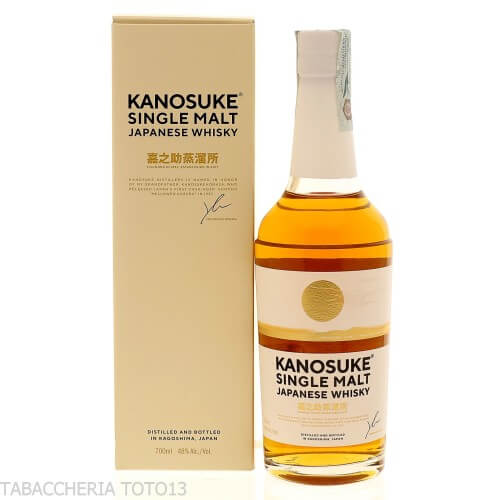


- New
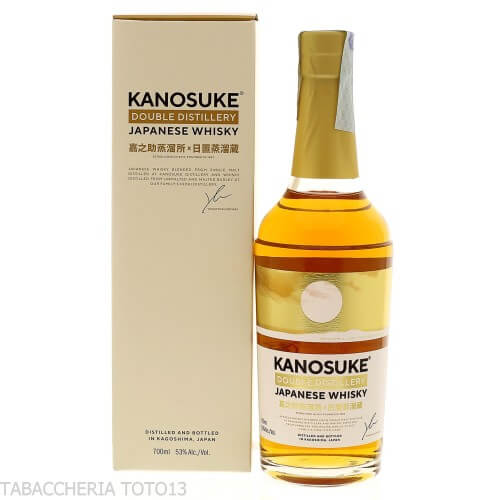
Founded in 2017 by Komasa Jyozo—a historic shochu producer active since 1883—Kanosuke was born from a fusion of centuries-old artisanal distilling expertise and a passion for Single Malt.
Here is a comprehensive overview of the distillery, its distillation philosophy, and the unique characteristics of its three maturation warehouses.
1. The Kanosuke Distillery: Shochu Tradition and Ocean Breezes
The distillery’s name pays tribute to Kanosuke Komasa, a second-generation family member renowned for creating "Mellow Kozuru" in 1957—the first shochu to be aged in oak barrels.
The distillery's location is fundamental to its whisky's identity: overlooking the East China Sea and Fukiagehama Beach (one of Japan's longest), Kanosuke benefits from a unique microclimate. Salty air, significant seasonal temperature fluctuations, and ocean breezes accelerate and shape the interaction between the spirit and the wood.
2. Distillation Methods: The Versatility of Three Pot Stills
Unlike most small craft distilleries, which typically operate with just two stills (one for the first distillation and one for the second), Kanosuke employs three copper pot stills, each with a distinct shape:
Diversity of shapes and angles: Each still features a different capacity, lyne arm (swan neck) angle, and condenser setup. By adjusting the angle and shape, the distillery can capture vapors of varying weights—from lighter to heavier.
Tailor-made flavor profiles: The combined use of the three stills allows Kanosuke to produce an extraordinarily versatile range of "make" (raw spirit)—spanning from a light, floral, and fruity style to a richer, more structured, and complex character.
The Shochu Cask Legacy: Part of Kanosuke’s DNA lies in primary maturation or finishing in American oak casks previously used for the distillery's own sweet potato shochu (*imo shochu*). This imparts a distinct smoothness to the whisky, along with characteristic notes of vanilla, molasses, and ripe fruit.
3. The Three Maturation Warehouses
The true expressive signature of Kanosuke’s terroir lies in its approach to maturation. The distillery utilizes three different warehouses—employing dunnage and racking systems—each designed to leverage specific microclimatic conditions:
Warehouse 1: The Influence of the Ocean
Location and structure: Situated right by the sea.
Impact on the whisky: Directly exposed to sea breezes carrying salty air. Constant humidity and sea air penetrate the cask staves, infusing the spirit with a subtle yet captivating maritime character—offering mineral and savory notes balanced by the sweetness of the wood.
Warehouse 2: The Heart of Kagoshima’s Climate
Location and structure: Situated within the distillery complex, exposed to the region's seasonal temperature fluctuations.
Impact on the whisky: Kagoshima is known for its hot, humid summers and cool winters. This warehouse intensifies the extraction of sugars and tannins from the wood during the warmer months, fostering rapid, deep, and exceptionally complex maturation.
Warehouse 3: High-Altitude Aging (Hioki)
Location and structure: Situated further inland in the Hioki area (home to the historic Komasa Jyozo shochu distillery), in an elevated setting surrounded by nature.
Impact on the whisky: Characterized by lower average temperatures and a different daily temperature range compared to the coast. Maturation proceeds more slowly and steadily, lending the whisky elegance, fresh fruit notes, and a refined, harmonious structure.
The Result in the Glass
The interplay between the versatility of the three stills, the influence of ex-shochu casks, and the microclimatic diversity of the three warehouses gives Kanosuke Single Malts an unmistakable profile: rich in aromas of honey, candied orange, cinnamon, and vanilla, balanced by a surprising maritime freshness and a smooth, spicy finish. It is a testament to how Japanese craftsmanship can reinterpret the tradition of Scotch whisky with a truly local character.